


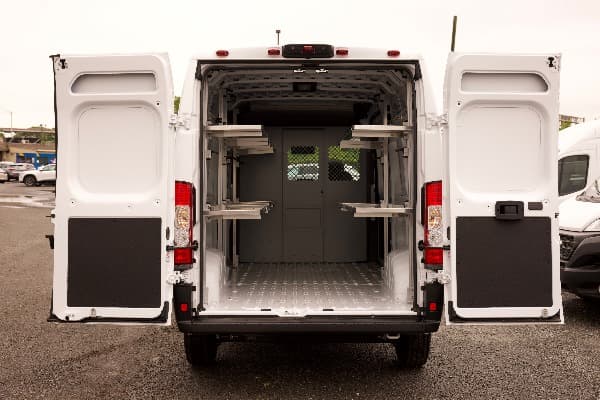
Drivo vs Carsharing. Which is the better option in NYC?


If you’ve ever rented a car in New York, you know it can be tricky. Carsharing apps promise fast, easy, and cheap rides — but does that really work here?
In this article, we break down the differences between carsharing and traditional rentals like Drivo, and show which option is actually better for getting around the city without stress, hidden fees, or surprises.
The illusion of the "Quick start"
Carsharing sells a fantasy of frictionless mobility. The reality is much messier. Let’s say you are a tourist. You just landed at JFK with luggage, and the app says there is a vehicle available in Brooklyn — 15 minutes away by subway.
You get on the train, find the car parked on a residential street, and discover two immediate problems:
- It’s filthy.
- You are in a street-cleaning zone where parking enforcement is ruthless.
By the time you factor in the parking risk, the walk with your bags, and the uncertainty, you’ve wasted 45 minutes and added unnecessary stress to your trip.
With Drivo, you book a specific vehicle type in advance. You know exactly where to pick it up: either a dedicated office or a free shuttle from your terminal.

The logistics trap: airports (JFK, LGA, EWR)
Here is where the comparison gets serious. Peer-to-peer carsharing at major airports is, technically, not allowed. Port Authority rules restrict commercial vehicle handoffs at terminals.
This means carsharing hosts operate in a gray zone. They ask you to meet at remote parking lots, shuttle you there themselves, or coordinate pickups at hotels blocks away from your gate. Some even charge delivery fees of $50–$100+ just to get a car near the terminal.
Drivo operates legitimately at all three major airports. A branded shuttle meets you at the arrivals area — usually within 10–15 minutes of your call.
| Metric | Turo / Getaround | Drivo |
|---|---|---|
| Legal status at terminal | Gray zone (prohibited) | Official partnership |
| Delivery fee to terminal | $50–$100+ | $0 (Free shuttle) |
| Wait time | 30–60 minutes | 10–15 minutes |
The "Cat in the Bag" factor: cleanliness and reliability
In carsharing, your experience depends entirely on the previous renter's hygiene and the host's diligence. Reviews are littered with complaints: cigarette smells, pet hair, and mysterious mechanical issues. When you rent from a P2P platform, you are playing roulette.
Drivo is different because we own our fleet. We are not a marketplace; we are the operator.
- Deep Cleaning: Every vehicle is sanitized between rentals.
- Maintenance: We follow strict manufacturer schedules.
- Accountability: You aren't betting on a host's conscientiousness; you are renting from professionals.
The insurance trap: why your credit card becomes worthless
Most people with premium credit cards carry car rental coverage as a standard benefit. This usually covers liability and collision when you rent from a traditional company.
But those same cards explicitly exclude peer-to-peer rentals. Turo is classified as carsharing, not "car rental," so your card's coverage likely doesn't apply. That means you have to buy a protection plan — often at $15–$25 per day.
If you have an accident with a P2P car, you are caught in a triangle between the platform, the host, and your own insurance. Claims can take over 30 days to resolve. Drivo has clear protocols, a 24/7 support line, and replacement vehicles available within hours.
The verdict: how to choose
Carsharing has its place, but that home isn't where most NYC travelers think it is.
Choose carsharing if:
- You need a car for 2–3 hours to move a couch from IKEA.
- You live locally and have secure parking.
- You are okay hunting for vehicles on the street.
Choose Drivo if:
- You are renting for a day or more.
- You are arriving at or departing from JFK, LGA, or Newark.
- You value knowing your final price before entering payment details.
- You want straightforward insurance coverage that your credit card recognizes.
- You care about cleanliness and mechanical reliability.
In NYC, you rarely get both logistics and price certainty from the same platform. If you want a trip without the "gray zone" drama, go with the professionals.
tips, straight to your inbox


All rights reserved