


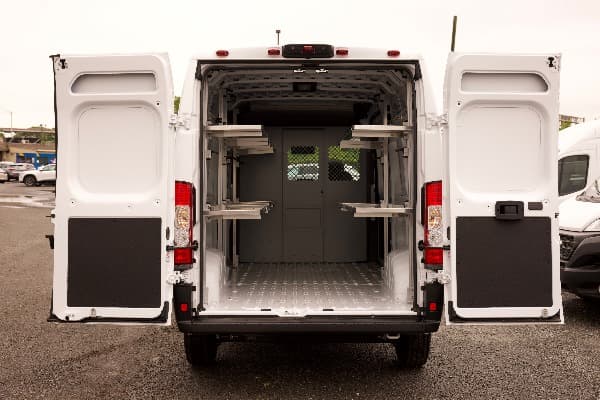
Parkways vs. expressways. Navigation rules for commercial vehicles in New York


Planning to rent a cargo van in New York? Hold on. You need to understand one critically important rule, or you'll risk getting a $250 fine — or worse, getting stuck under a bridge with your roof torn off. And yes, that's going to cost you tens of thousands of dollars.
New York's road network is divided into two categories: Parkways and Expressways. These aren't just different names — they're different legal categories of roads. And for commercial vehicles, this means one thing: some roads are open to you, others are completely banned.
The main risks
Commercial vehicles (including any rented cargo vans, commercial vehicles, and vehicles with "Commercial" license plates) are permitted to drive only on Expressways and local streets. Parkways? Prohibited. Completely and without exception.
Why does this matter?
1. Bridge height — the main danger
Here's the catch: most bridges on Parkways have a historic design. Some of them are only 6'11" (2.1 meters) high. A standard cargo van — like a Ford Transit with a high roof — is approximately 9.2 feet (2.8 meters) tall. Try to drive under one of these bridges, and your van's roof will be completely torn off. It's called the "tin can effect". Total vehicle destruction. And no, your insurance won't cover it, because you broke the law.
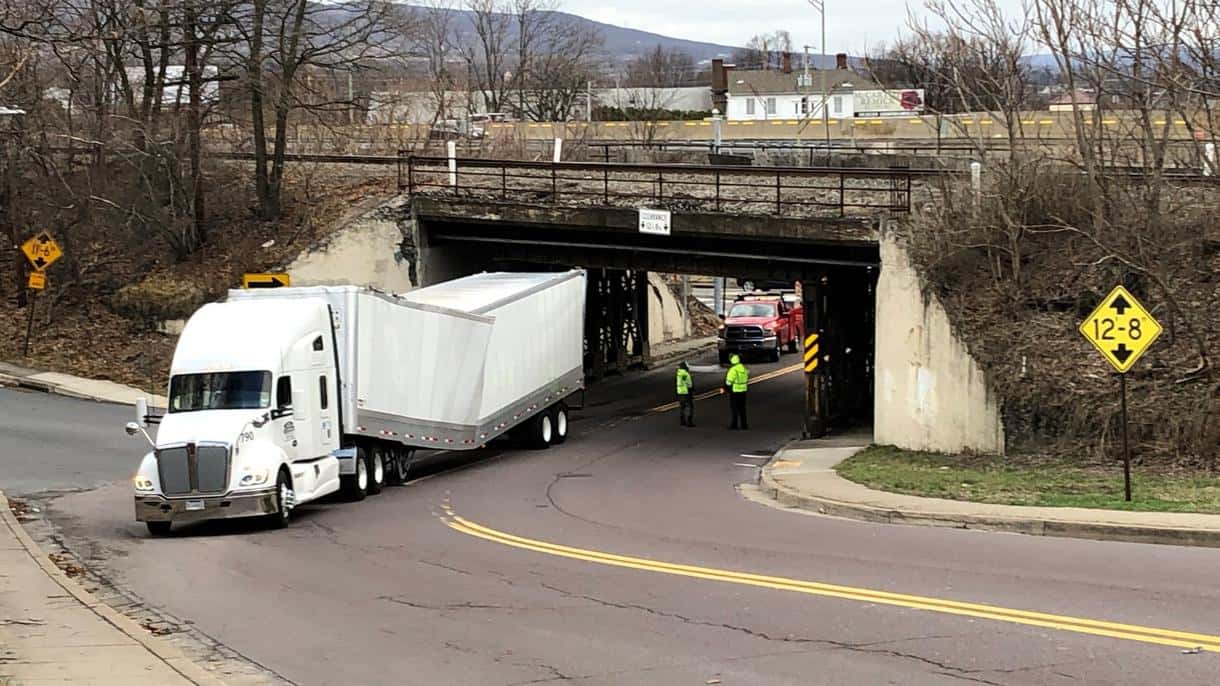
2. Legal status of the ban
In New York and New Jersey, the ban is written into law. If your vehicle has "Commercial" plates, entry onto a Parkway is prohibited automatically. Even if your van is light and compact. Even if you didn't know. Even if you went there by mistake. The law doesn't distinguish intentions.
3. Road design
Parkways have narrow lanes and no shoulders because they were originally designed for casual personal vehicle traffic. They're not designed to handle the size and weight of commercial vehicles. This is a historic design from the early 20th century, and it's not changing.
4. The Navigation problem
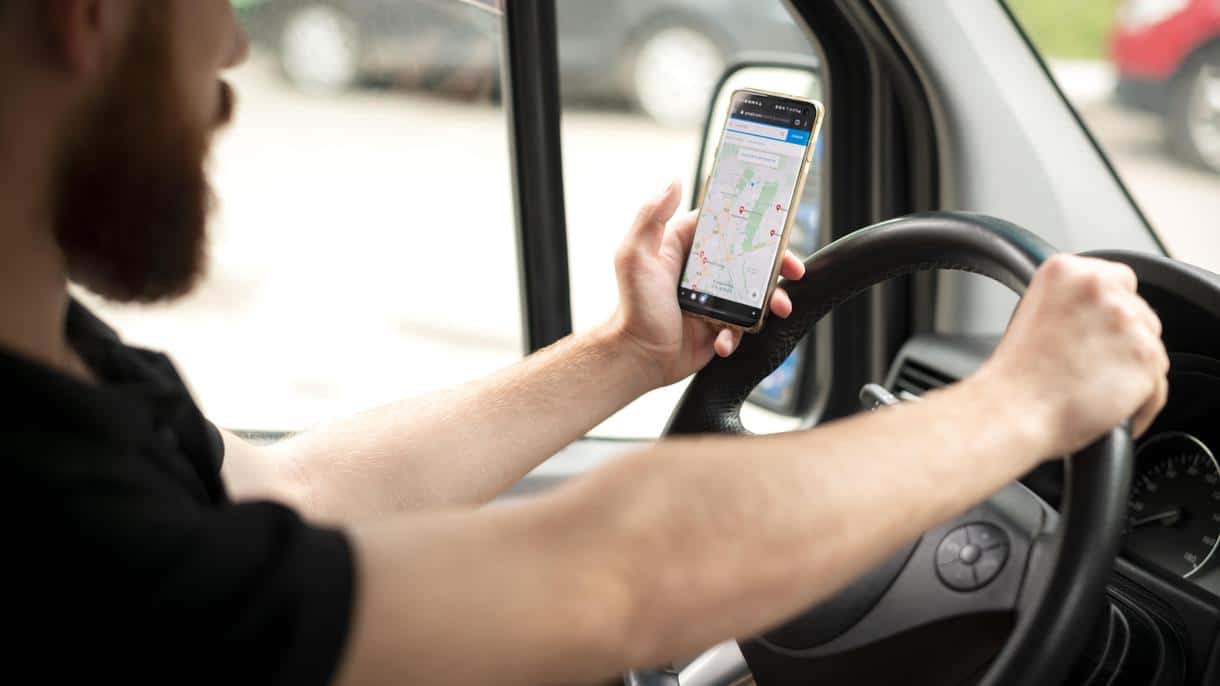
Here's the main trap: Google Maps, Waze, and Apple Maps all build routes for personal vehicles. They ignore the fact that you're driving a commercial vehicle. Blindly following GPS recommendations often leads directly onto a prohibited Parkway. And you only notice it when you see the "No Commercial Vehicles" sign. Too late.
Consequences of Violations
Breaking this rule can cost you:
- Fines: Starting at $250 for a first violation. Repeat violations within 18 months cost $500. A third violation brings $750 and up to 90 days in jail.
- Financial damage: If you hit a bridge, roof damage is often not covered by insurance. Why? Because you violated the terms of use. You pay for repairs. Usually this is $50,000–$250,000 plus reimbursement to the city for infrastructure damage.
- Towing: If your van gets stuck under a bridge, expensive extraction and towing services are needed. This easily runs $10,000–$15,000.
List of prohibited roads (parkways)
Below are the highways where commercial vehicles are banned. Save this list and check it before every trip.
Manhattan
- FDR Drive — along the East River with critically low bridges throughout (height 9'6" at East 61st Street, but that's not even the lowest).
- Harlem River Drive — bridges range from 6'11" to 7'6" high, dangerous for any van.
- Henry Hudson Parkway — from 59th Street to the Bronx-Westchester county line.
Brooklyn and Queens
- Belt Parkway — this is a popular route to JFK Airport, but trucks are completely banned here. Many drivers make this mistake.
- Grand Central Parkway (GCP) — with a rare exception for single-unit vehicles up to 35 feet and 12'6" high, but only between Triborough Bridge and BQE.
- Jackie Robinson Parkway and Cross Island Parkway — both are closed to commercial vehicles.
The Bronx and North
- Hutchinson River Parkway — features famously low stone arch bridges (some as low as 9'). A guaranteed roof-ripper for high vans.
- Bronx River Parkway — narrow, winding lanes designed for cars only. Strictly prohibited for any commercial plates.
- Saw Mill River Parkway — a frequent trap for northbound drivers. Heavy police enforcement due to constant bridge strikes.
New Jersey
- Garden State Parkway — here's an important detail. Commercial vehicles are prohibited north of Exit 105 (near Tinton Falls). This is a hard boundary you cannot cross.
- Palisades Interstate Parkway — completely prohibited along its entire 38.25-mile length for any commercial vehicle.
Brooklyn Bridge — worth mentioning separately. Beyond the complete ban on commercial traffic, there's a weight limit of 6,000 pounds. So this is not a place for vans.
Permitted routes (expressways)
Good news: you have alternatives. The city has a complete network of roads for commercial transport. They're sometimes longer or slower, but they're safe and legal.
Use these highways:
- I-278 (Brooklyn-Queens Expressway / BQE) — main artery through Brooklyn and Queens, with 13'6" clearance.
- I-495 (Long Island Expressway / LIE) — through Queens to Long Island (remember: commercial trucks are banned from HOV lanes).
- I-95 (Cross Bronx Expressway) — main northern route through the Bronx.
- I-678 (Van Wyck Expressway) — quick access to JFK.
- I-87 (Major Deegan Expressway) — through the Bronx northward.
Yes, the route might not be the shortest. But you won't lose money on fines and you won't damage your vehicle.
Pre-trip checklist
Four simple steps will help you avoid problems:
Step 1. Check your license plate type
Look at the registration plate. If it says "Commercial", parkways are closed to you. Period. If it says "Passenger," you have slightly more flexibility, but branded vans still count as commercial.
Step 2. Use the right app
Google Maps and Waze are traps. Download an app that actually accounts for your van's dimensions and registration type:
- Hammer — designed specifically for trucks, it shows low bridges and prohibited zones in real time. Free app with optional paid subscriptions.
- Sygic Truck — offline maps with profiles for different vehicles (you input height and weight—the app builds a safe route automatically).
- SmartTruckRoute — commercial GPS with height and weight filtering, based on 40 years of commercial navigation experience.
Step 3. Manually check your route
Even if you use a specialized navigation app, spend 2 minutes checking a regular route. Open Google Maps and look at the turn-by-turn directions. If you see the word "Parkway", exclude that section and find an alternative through an Expressway.
Step 4. Know your van's exact height
Check the height in both meters and feet. Never guess. Here are the specific specs for the most popular vans in the Drivo fleet:
- Cargo Van Mid Roof (Ford Transit) — Height: 8.4 ft (2.57 m).
It fits under some 9-foot bridges, but it is still strictly illegal on Parkways because of its commercial plates. Don't let the smaller size fool you. - Cargo Van High Roof (Ram ProMaster 2500) — Height: 8.6 ft (2.62 m).
One of our most popular movers. It offers great standing room, but that extra height makes it a magnet for low bridges on the Hutchinson or Harlem River Drive. - Cargo Van High Roof (Ram ProMaster for Contractor) — Height: 8.6 ft (2.62 m).
Even if you are renting this for a work project and not moving furniture, the rules apply equally. The height is the same as the standard ProMaster, and it is 100% banned on all Parkways.
Pay close attention to yellow low-clearance warning signs before bridges. If a sign shows 8'6" and you are driving the ProMaster, you will not fit due to road bounce and antennas. Better not to risk it.
tips, straight to your inbox


All rights reserved