

Why the New Museum expansion is the season's defining event

In New York, it's hard to be surprised by new openings. New galleries appear constantly, museums refresh their spaces, and exhibitions rotate every week. But occasionally, an event emerges on a different scale-not just «another venue», but a new logic for how we experience the city and its culture.
The expansion of the New Museum is precisely such a case.
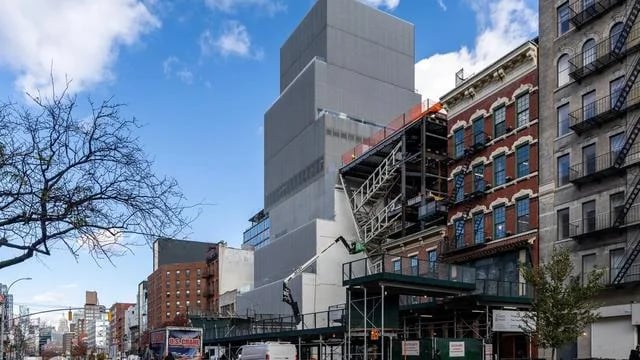
This isn't just a new building on Bowery. It's a project that redefines the very format of a cultural day, from the journey to the museum to what you take away after your visit.
It's not just a museum - it’s an experience system
Formally, it sounds simple: the museum has expanded. In practice, this marks a shift to a new model.
The New Museum adds approximately 60,000 square feet of space, but more importantly, the museum stops being a single destination and becomes a platform.
- It's not just about viewing art here
- It's about interacting, discussing, exploring
- The space accommodates multiple scenarios, not a single prescribed «route»
And this directly influences how you should plan your visit-and even how you experience New York as a whole.
The architecture you need to «enter» in advance
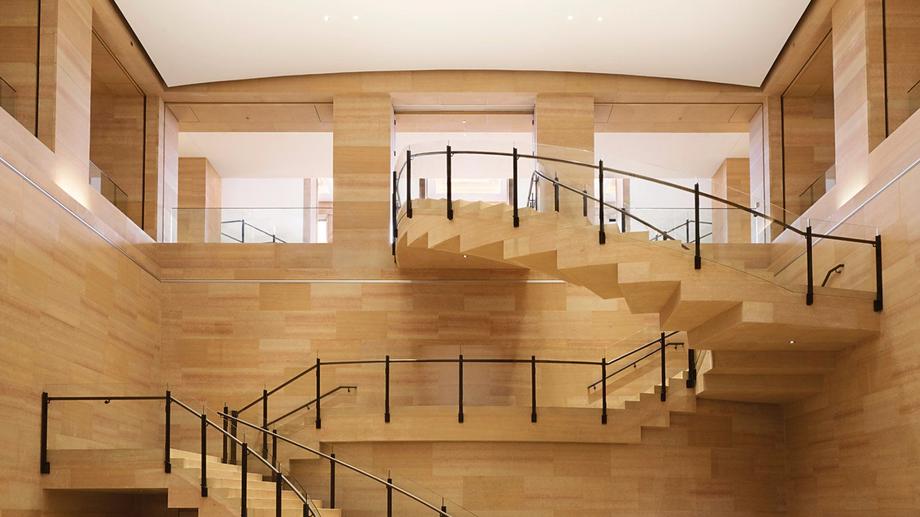
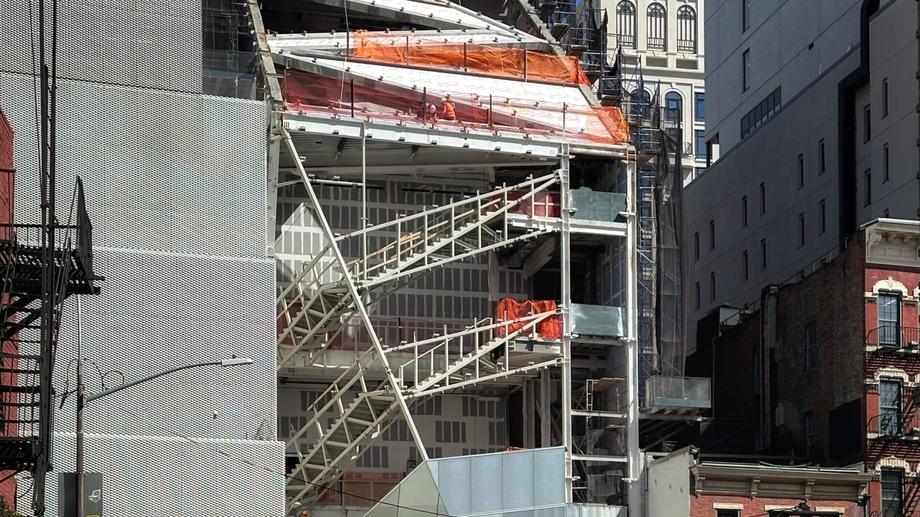
The new wing was designed by OMA (Rem Koolhaas), and this is architecture that doesn't function merely as a backdrop.
- Non-linear movement
- Unexpected transitions
- Shifts in scale and light
Research shows that space directly impacts engagement and the time people spend inside. And here's the key point: this experience begins not at the museum entrance, but along the way there.
The route to the museum is part of the exhibition
The theme of the first major exhibition is «New Humans: Memories of the Future». It explores artificial intelligence, memory, and the future of humanity.
There are two scenarios:
Scenario 1: Subway → crowds → noise → rushed entry
Scenario 2: Intentional urban route → observation → context → entry
The difference is colossal. And this is where the real experience begins.
If you want to build that experience consciously, it helps to explore your own route through the city instead of relying on fixed transit lines.
How to curate the right cultural day
Morning: the city as preparation
The best approach? Don't head straight to the museum.
Rent a car in New York and drive through several contrasting neighborhoods:
- Midtown - glass and business
- Brooklyn car rental - industrial zones
- Lower East Side - a blend of old and new
New York itself illustrates the exhibition's theme: past, present, and future in a single frame.
Such a route can't be assembled on rigid transit with fixed lines. It demands flexibility - and access to the right type of vehicle for city driving.
Afternoon: the museum itself
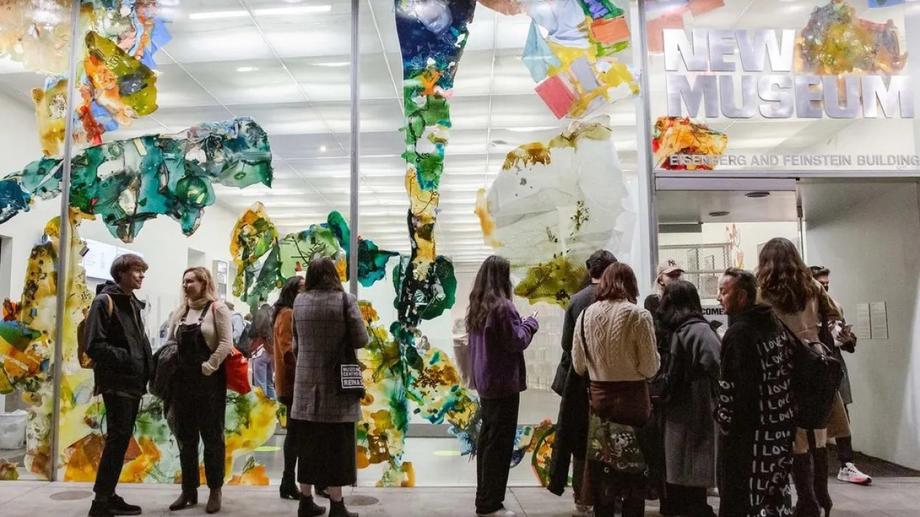
When you step inside, resist the urge to follow the crowd.
- Don't stick to a linear path
- Move up and down, shifting perspectives
- Pause where something «resonates», not where you «should»
The architecture here is designed for exploration, not checklist-style touring.
Evening: cementing the impression
The most underrated part comes after the museum. Don't leave right away.
- A café in the Lower East Side
- A short walk
- A change of neighborhood
If you’re planning your evening, consider extending your route with a flexible NYC driving itinerary.
How your journey shapes the experience
Usually, getting from point A to point B is just logistics. Here, it quietly defines how you experience everything that follows.
Different ways of moving through the city create different states of mind:
Subway - fast, predictable, efficient.
Taxi - convenient, effortless.
Walking - immersive and atmospheric.
Car - flexible, self-directed.
If you're comparing options, it's worth understanding why renting a car in NYC can offer more control over your experience.
| Option | What it offers | Limitations |
|---|---|---|
| Subway | Fast, affordable | No control, no curated route |
| Taxi | Convenient | No narrative, just point A → B |
| Walking | Atmospheric | Limited radius |
| Car | Full control | Requires planning |
Where Drivo fits in - and why it makes sense
In this scenario, transportation stops being just a service. It becomes a tool.
And here, Drivo car rental in NYC fits in seamlessly.
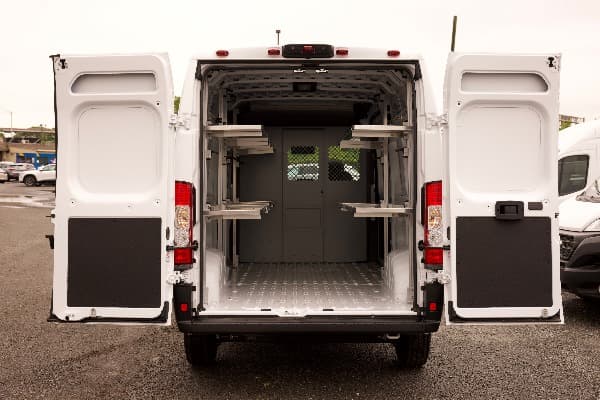
- You can pick up a car right after landing at JFK airport
- No rigid attachment to a fixed route
- You can design your own path through the city
- It's easy to continue your day after the museum
In other words: not just «getting to the museum», but living the route to it and beyond it.
And that's a fundamentally different level of experience.
tips, straight to your inbox


All rights reserved